

Design critiques are the heartbeat of a healthy product development cycle. They are not merely reviews of visuals; they are strategic discussions that refine user experiences and align teams around shared goals. When executed well, these sessions transform subjective opinions into actionable insights. However, leading a design critique requires intention, structure, and a deep understanding of human dynamics. This guide outlines the methodology for running sessions that drive quality without damaging morale.
🛠️ Preparing for the Session
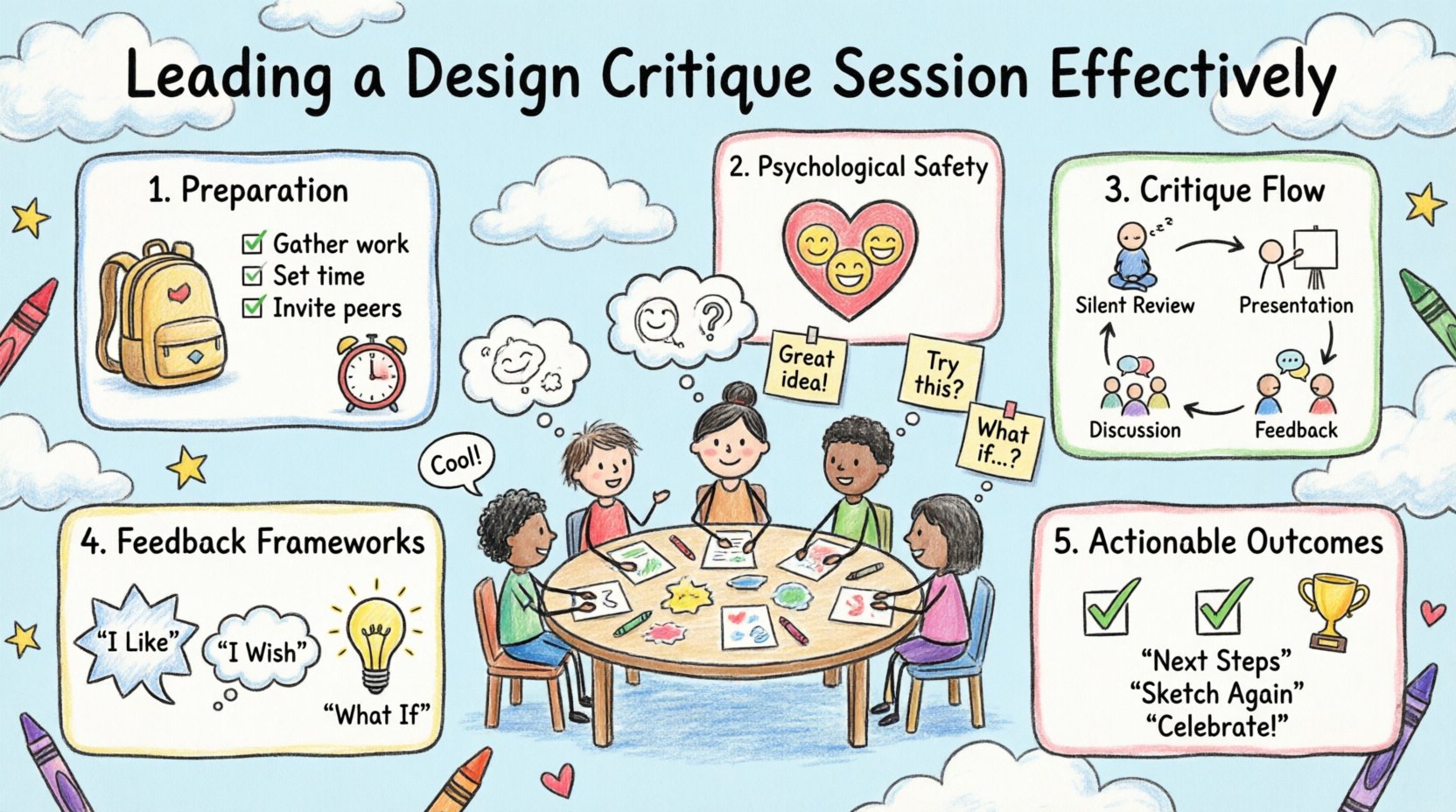
The work done before the meeting begins is often more critical than the discussion itself. A well-prepared critique minimizes ambiguity and maximizes the value of participants’ time.
- Define the Objective: Is this a concept validation? A usability check? Or a polish on visual details? The goal dictates who attends and what materials are needed.
- Curate the Audience: Not everyone needs to see every screen. Invite stakeholders who can provide specific expertise relevant to the current stage of the project. Include cross-functional partners like engineering and product management early to ensure feasibility.
- Prepare Context: Design artifacts cannot stand alone. Provide background information that explains the “why.” This includes user research findings, business constraints, and the specific problems being solved.
- Set Timeboxes: Allocate specific durations for presentation, feedback, and discussion. A standard session often runs between 45 to 60 minutes. Longer sessions lead to fatigue and diminishing returns.
- Technical Setup: Ensure all necessary tools are accessible. Verify that screens are shared correctly and that the environment is conducive to focus.
🧱 Establishing Psychological Safety
The most effective critiques occur in environments where team members feel safe to share vulnerabilities and ideas without fear of judgment. Design work is personal, and feedback can easily be perceived as a critique of the individual rather than the work.
Ground Rules for Constructive Dialogue
Establishing norms at the start of the session sets the tone for the interaction. Consider adopting the following guidelines:
- Separate the Work from the Person: Frame all comments around the design solution, not the designer’s intent or skill level.
- Assume Positive Intent: Operate under the belief that everyone is working toward the best outcome for the product and the user.
- Listen to Understand: Encourage participants to listen actively before formulating a response. Avoid interrupting.
- Focus on the Problem: Keep the conversation anchored in the user problem or business goal. If the discussion drifts into subjective preference, steer it back.
- One Conversation at a Time: Avoid side conversations or parallel discussions that fragment the group’s attention.
🔄 The Critique Flow
A structured flow prevents the session from becoming a chaotic free-for-all. The following framework provides a reliable rhythm for the meeting.
1. Silent Review
Before anyone speaks, allow participants to review the artifacts independently. This period of silence ensures that introverted voices are heard and that feedback is based on observation rather than immediate reaction to the presenter’s nervousness.
- Provide a shared document or board for initial notes.
- Ask participants to categorize their thoughts (e.g., “Questions,” “Suggestions,” “Concerns”).
2. Presentation
The designer presents their work. This should be brief. The focus is on context, not a feature-by-feature walkthrough.
- State the problem being solved.
- Explain the proposed solution.
- Highlight specific areas where feedback is most needed.
3. Feedback Collection
This is the core of the session. Depending on the group size and culture, use specific techniques to gather input.
- Round Robin: Go around the room to ensure everyone has a chance to speak.
- Sticky Notes: Participants write feedback on virtual or physical cards, which are then grouped and discussed.
- Structured Models: Use established frameworks to guide the nature of the feedback (detailed below).
4. Discussion and Synthesis
Not all feedback requires a deep dive. The facilitator must manage the conversation to distinguish between critical blockers and minor preferences.
- Group similar feedback points together to identify patterns.
- Defer detailed debates to smaller working groups if they are too time-consuming.
- Ask clarifying questions to understand the root of the concern.
🗣️ Feedback Frameworks
Using structured models helps prevent vague comments like “I don’t like it.” Instead, these frameworks guide participants to be specific and helpful.
Model 1: I Like, I Wish, What If
| Category | Definition | Example |
|---|---|---|
| I Like | What is working well? What should be preserved? | “I like the clear hierarchy in the navigation.” |
| I Wish | What is missing? What would improve the experience? | “I wish there was a way to filter results by date.” |
| What If | Hypothetical scenarios to explore new possibilities. | “What if we simplified the checkout flow to three steps?” |
Model 2: The Feedback Sandwich
While often criticized in general management, this model has utility in design when handled with care.
- Positive: Start with genuine appreciation for a specific element.
- Constructive: Offer the necessary critique focused on the design decision.
- Positive: End with an encouraging thought or a confirmation of the overall direction.
🧠 Receiving Feedback Gracefully
For the designer presenting, the ability to listen without defending is crucial. Defensiveness shuts down collaboration and signals that the goal is winning an argument rather than improving the product.
- Take Notes: Writing down feedback shows you value the input and ensures nothing is forgotten.
- Ask Clarifying Questions: If a comment is vague, ask for elaboration. “Can you tell me more about why that button placement feels confusing?”
- Pause Before Responding: Take a breath before reacting to difficult feedback. This creates space for rational thought.
- Thank the Group: Acknowledge the effort people put into reviewing your work. It reinforces a culture of care.
📝 Actionable Outcomes
A critique session without clear next steps is merely a meeting. The output must translate into movement.
- Document Decisions: Record what was agreed upon. This prevents the “did we decide that?” conversation from recurring later.
- Assign Owners: Every action item needs an owner. Ambiguity leads to inaction.
- Set Deadlines: Establish when the next review or update will happen.
- Archive the Session: Keep a record of the discussion for future reference, especially if the project timeline extends over months.
🚫 Common Pitfalls to Avoid
Even experienced facilitators can fall into traps that derail the value of the session. Awareness of these common issues helps maintain high standards.
1. The Solution Loop
Participants often jump to solutions before fully understanding the problem. This leads to a flurry of ideas that may not address the root cause. Keep the focus on the user problem first.
2. The Silent Majority
In some cultures or teams, the loudest voice dominates. Facilitators must actively solicit input from quiet members. Direct questions like, “Sarah, what are your thoughts on this flow?” can help.
3. Personal Attacks
Comments about a designer’s style or history are forbidden. Feedback must remain strictly on the current artifact and its alignment with goals.
4. Lack of Preparation
Showing up with incomplete designs or missing context wastes everyone’s time. If the work isn’t ready, reschedule the session.
🌱 Cultivating a Long-Term Culture
Consistency is key to building a robust critique culture. It is not a one-off event but a recurring practice that evolves over time.
- Regular Cadence: Hold sessions at a consistent frequency. This creates a rhythm that teams can rely on.
- Rotating Facilitators: Allow different team members to lead sessions. This distributes ownership and develops facilitation skills across the group.
- Iterate on the Process: Periodically ask the team if the critique format is working. Are we spending too much time on visuals and not enough on logic? Adjust the guidelines accordingly.
- Celebrate Wins: Acknowledge when feedback leads to a significant improvement in the product. This reinforces the value of the practice.
🛑 Handling Difficult Feedback
Sometimes feedback will be sharp, incorrect, or emotionally charged. Here is how to manage these scenarios.
- Disagree and Commit: If a disagreement persists, acknowledge the difference, decide on a path forward, and move on. Do not leave the room in conflict.
- Use Data: If feedback is subjective, suggest testing it with users. Data often resolves subjective debates.
- Pause the Room: If tension rises, take a short break. Reset the energy before continuing.
- One-on-One Follow-up: If a specific comment is disruptive, address it privately with the individual after the session.
📊 Measuring Success
How do you know if the critique sessions are effective? Look for these indicators over time.
- Reduced Rework: Issues are caught earlier in the process.
- Higher Quality Output: Final deliverables require fewer iterations after launch.
- Team Morale: Participants feel engaged and supported rather than stressed.
- Decision Velocity: Decisions are made faster because the team trusts the process.
🤝 Summary of Best Practices
To ensure every session delivers value, keep these core principles in mind.
- Prepare thoroughly to respect everyone’s time.
- Establish safety before asking for honest feedback.
- Use frameworks to structure the conversation.
- Listen actively when receiving input.
- Document outcomes to ensure accountability.
- Iterate on the process based on team feedback.
Leading a design critique is a skill that develops with practice. It requires a balance of structure and flexibility. By prioritizing clarity, respect, and user focus, you create a space where design excellence can flourish. The goal is not perfection in a single meeting, but continuous improvement through collaborative effort.
Remember that the strength of the team is reflected in the quality of the conversation. When feedback is treated as a gift rather than a critique, the entire organization benefits. Start small, stay consistent, and watch the quality of your work rise naturally.