

In the modern business landscape, stability is not a static state; it is a dynamic capability. Organizations that survive downturns and thrive in volatility share a common trait: they do not rely on static plans made years ago. Instead, they engage in continuous strategic assessment. One of the most effective tools for this ongoing evaluation is the SWOT analysis. However, a one-time exercise offers limited value. To truly build resilience, teams must integrate regular SWOT reviews into their operational rhythm. This approach transforms a simple checklist into a living strategy engine that adapts to market shifts, internal changes, and emerging risks.
Resilience in an organizational context refers to the ability to anticipate, prepare for, respond to, and recover from disruptions. It is about maintaining continuity while evolving. By conducting regular SWOT reviews, leaders gain a granular understanding of their current standing relative to the environment. This guide explores how to leverage this framework not as a periodic formality, but as a foundational habit for sustainable growth and risk mitigation.
Understanding Resilience in Strategic Planning 🧠
Strategic resilience goes beyond financial buffers. It encompasses operational agility, cultural adaptability, and market relevance. When a company faces a sudden shift—such as a supply chain disruption or a competitor launching a disruptive product—resilient entities pivot quickly. This speed comes from awareness. If leadership is unaware of the shifting landscape until a crisis hits, recovery becomes difficult. Regular reviews ensure that awareness is constant.
- Proactive vs. Reactive: A static plan is reactive. It waits for problems to appear. Regular reviews allow for proactive adjustments before issues become critical.
- Resource Allocation: Knowing your internal capacity allows you to deploy resources where they matter most during a crisis.
- Team Alignment: When the team understands the current strengths and weaknesses, they can make better day-to-day decisions that align with long-term goals.
Without the discipline of regular review, organizations often suffer from strategic drift. They continue executing old strategies that no longer fit the current reality. This leads to wasted effort and missed opportunities. Integrating the review process into the calendar ensures that strategy remains a living document, not an archived file.
The Dynamics of a SWOT Analysis 🔄
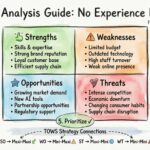
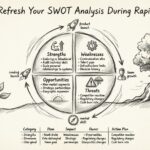
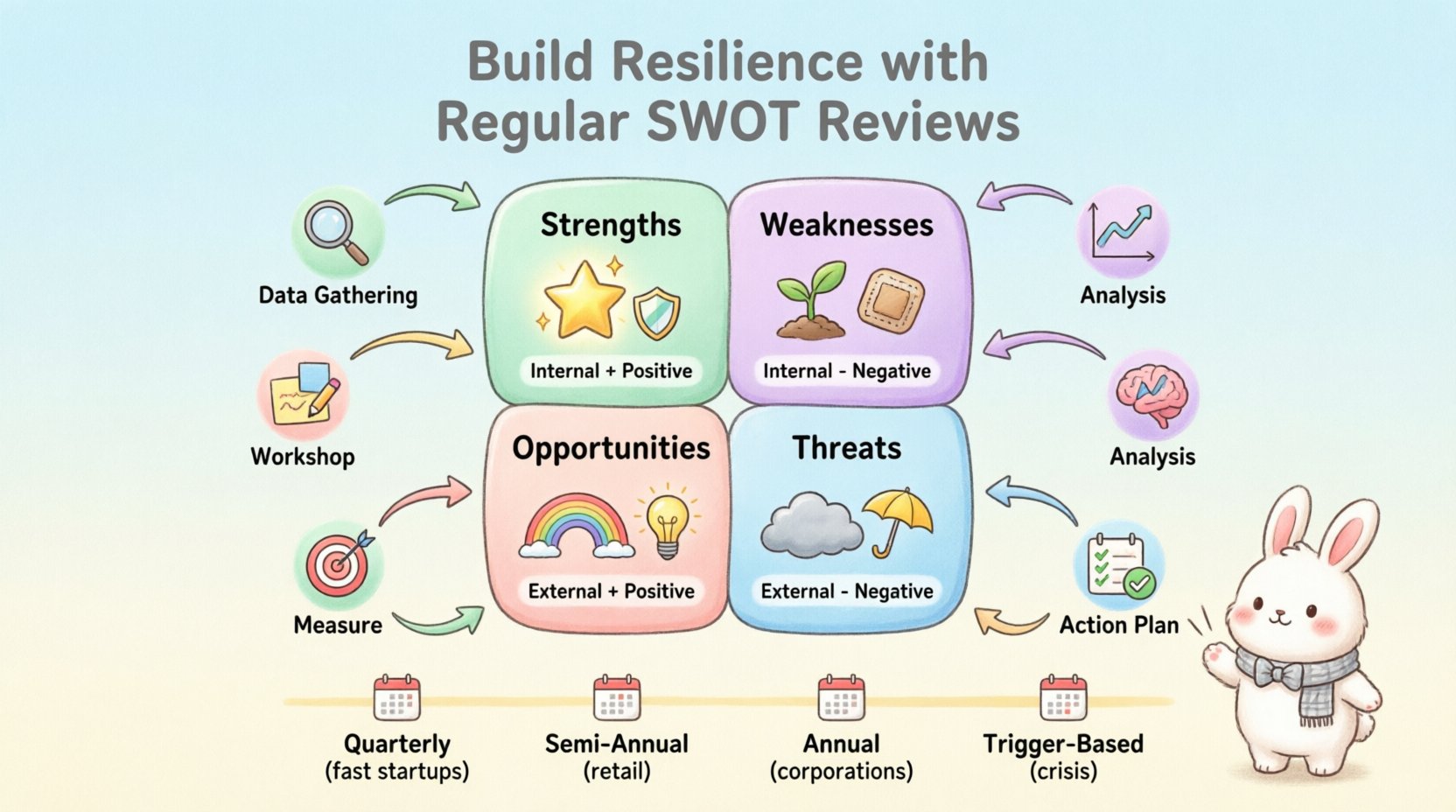
The SWOT framework categorizes factors into four distinct quadrants. While the acronym is familiar, the depth of analysis required for resilience is often overlooked. Each quadrant represents a specific lens through which the organization must view itself.
1. Strengths (Internal & Positive)
These are the assets, capabilities, and resources that give the organization an advantage. In the context of resilience, strengths are the buffers that absorb shock. Examples include a loyal customer base, proprietary technology, strong cash flow, or a skilled workforce.
- Question to ask: What do we do better than anyone else?
- Question to ask: What resources can we mobilize immediately in a crisis?
2. Weaknesses (Internal & Negative)
Weaknesses are areas where the organization lacks resources or capabilities. In a stable environment, these might be manageable. In a volatile environment, they become vulnerabilities. Identifying these early allows for remediation or mitigation strategies.
- Question to ask: Where do we lose market share consistently?
- Question to ask: What processes slow us down when speed is critical?
3. Opportunities (External & Positive)
These are favorable conditions in the external environment that the organization can exploit. Opportunities drive growth. However, resilience requires recognizing opportunities that align with core strengths. Chasing every opportunity can dilute focus.
- Question to ask: What emerging trends can we leverage?
- Question to ask: Are there new customer segments we can serve?
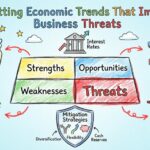
4. Threats (External & Negative)
Threats are external challenges that could cause trouble. These include regulatory changes, economic downturns, or new competitors. A resilient strategy involves anticipating threats and building contingency plans before they materialize.
- Question to ask: What regulations are coming that could impact us?
- Question to ask: Who is entering our market and how?
Why Regular Reviews Matter ⏱️
The difference between a strategic asset and a strategic liability is time. A SWOT analysis conducted five years ago is likely obsolete today. The market changes, technologies evolve, and internal teams shift. Relying on outdated data leads to poor decisions. Regular reviews ensure the data remains fresh and actionable.
Frequency depends on the industry and the pace of change. Highly regulated or tech-driven sectors may require quarterly reviews. More stable industries might benefit from semi-annual or annual deep dives. However, trigger-based reviews are also essential. A major competitor launch, a change in leadership, or a shift in economic indicators should prompt an immediate review.
| Review Frequency | Best For | Key Focus |
|---|---|---|
| Quarterly | Fast-paced industries, Startups | Market shifts, Competitor moves, Quick wins |
| Semi-Annual | Manufacturing, Retail | Seasonal trends, Supply chain, Operational efficiency |
| Annual | Established Corporations, Utilities | Long-term vision, Budget alignment, Structural changes |
| Trigger-Based | All Organizations | Crisis response, Major events, Mergers/Acquisitions |
Consistency is key. If the review process is sporadic, the organization loses the habit of critical self-reflection. It becomes a box-checking exercise rather than a strategic tool. Scheduling these sessions in advance ensures they are not deprioritized when busy periods hit.
Step-by-Step Process for Conducting Reviews 📝
Executing a robust review requires preparation, facilitation, and follow-through. It is not a meeting where people talk; it is a structured session where data informs decisions. The following process ensures that the output is tangible and integrated into operations.
1. Data Gathering and Preparation
Before the meeting, collect relevant data. This includes financial reports, customer feedback, market research, and internal performance metrics. Do not rely on anecdotes or assumptions. Evidence-based analysis reduces bias and leads to more accurate assessments.
- Compile KPIs from the last review period.
- Survey stakeholders for their perspectives on current challenges.
- Review industry news and competitor updates.
2. Facilitated Workshop Session
Bring together a cross-functional team. Including members from different departments ensures a holistic view. A marketing leader might see a threat that a finance leader misses. A facilitator should guide the discussion to keep it focused and constructive. Avoid blame games; focus on facts and solutions.
- Set a clear agenda with time limits for each quadrant.
- Encourage diverse opinions to challenge groupthink.
- Document all points in real-time for transparency.
3. Analysis and Synthesis
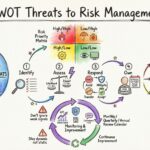
Once the data is on the board, look for connections. Do your weaknesses prevent you from seizing the opportunities? Do your strengths help mitigate the threats? This cross-analysis is where the real strategy emerges. It moves the conversation from listing items to understanding relationships.
- Map Strengths against Opportunities to find growth vectors.
- Map Weaknesses against Threats to identify risk zones.
- Prioritize items based on impact and probability.
4. Action Plan Development
A list of insights is useless without action. Convert the analysis into specific tasks. Assign owners, set deadlines, and define success metrics. This bridges the gap between strategy and execution.
- Create a roadmap for addressing critical weaknesses.
- Allocate budget to capitalize on high-value opportunities.
- Establish monitoring mechanisms for identified threats.
Integrating Findings into Action Plans 🎯
The most common failure point in strategic planning is the disconnect between the analysis and the daily work. To build resilience, the insights from the SWOT review must influence decision-making at all levels. If the review suggests a weakness in customer support, the training budget must reflect that. If it identifies a threat in supply chains, procurement must diversify vendors.
Alignment is crucial. Every department should understand how their work supports the strategic adjustments identified in the review. This creates a unified front. When everyone is rowing in the same direction, the organization moves faster and more efficiently.
Key Integration Strategies
- Budgeting: Ensure financial resources match strategic priorities identified in the review.
- Hiring: Recruit talent that fills identified skill gaps or strengthens core capabilities.
- Technology: Invest in tools that enhance efficiency or provide better market data.
- Communication: Share the outcomes of the review with the wider team to maintain transparency and buy-in.
Common Pitfalls to Avoid 🚫
Even with the best intentions, organizations can stumble during the review process. Being aware of these common traps helps ensure the exercise remains valuable and productive.
1. Internal Bias
Teams often focus too heavily on internal factors and ignore external realities. They might claim a strength that is no longer relevant because the market has moved. Always balance internal self-assessment with external market data.
2. Vagueness
Statements like “improve quality” or “increase sales” are not actionable. They lack specificity. During the review, push for concrete definitions. What does “improve” mean? By how much? By when?
3. One-and-Done Mentality
Conducting the review and then filing the results away defeats the purpose. Resilience requires iteration. The next review should measure progress against the action plan from the previous one.
4. Ignoring Weaknesses
It is tempting to gloss over weaknesses to maintain morale. However, ignoring them does not make them disappear. In a crisis, weaknesses become liabilities that can sink the ship. Address them openly and with a plan.
Measuring the Impact of Reviews 📈
How do you know if the regular SWOT reviews are working? You need metrics that track the effectiveness of the strategic adjustments. This goes beyond financial results, which are lagging indicators. You need leading indicators that show the organization is adapting.
- Response Time: How quickly does the organization pivot after identifying a threat?
- Strategy Execution Rate: What percentage of action items from the review are completed on time?
- Employee Engagement: Do team members feel informed and aligned with the strategy?
- Market Share Stability: Does the organization maintain or grow its position despite market volatility?
Tracking these metrics allows leaders to refine the review process itself. If the team is consistently missing deadlines, the action plans might be too ambitious. If engagement is low, the communication of results might need improvement.
The Human Element of Strategic Review 👥
Technology and data are tools, but people are the drivers. The culture surrounding the review process is vital. If the environment is punitive, employees will hide weaknesses. If it is collaborative, they will share insights that lead to innovation. Leaders must foster psychological safety during these sessions.
Encourage open dialogue where bad news is not punished but treated as data for improvement. When team members feel safe to admit mistakes or gaps, the organization becomes more robust. This transparency is the bedrock of long-term resilience. It allows the entity to heal and grow stronger rather than accumulating hidden debts that explode later.
Conclusion: A Commitment to Adaptability ✅
Building long-term resilience is not about predicting the future with certainty. It is about preparing the organization to handle whatever comes. Regular SWOT reviews provide the mechanism for this preparation. They turn uncertainty into manageable variables. They ensure that strengths are leveraged, weaknesses are addressed, opportunities are seized, and threats are mitigated.
By embedding this practice into the organizational rhythm, leaders create a culture of continuous improvement. This culture is more valuable than any single strategic plan. It allows the organization to navigate complex environments with confidence and clarity. The goal is not perfection, but adaptability. Through consistent review and action, the organization builds the capacity to endure and thrive.