
As design teams expand, the shift from informal collaboration to structured operations becomes inevitable. Design Ops, short for Design Operations, represents the backbone that supports design teams in scaling effectively. It is not merely about tools or software adoption; it is about creating a sustainable ecosystem where creativity thrives alongside efficiency. Organizations that invest in Design Ops find that their design output becomes more consistent, their workflows smoother, and their impact on the business clearer.
This guide explores how to build a robust Design Ops framework from the ground up. We will examine the signals that indicate a need for operations, define the core pillars of a successful practice, and outline strategies for team integration and process optimization. The goal is to foster an environment where designers can focus on problem-solving while the operational infrastructure handles the logistics.
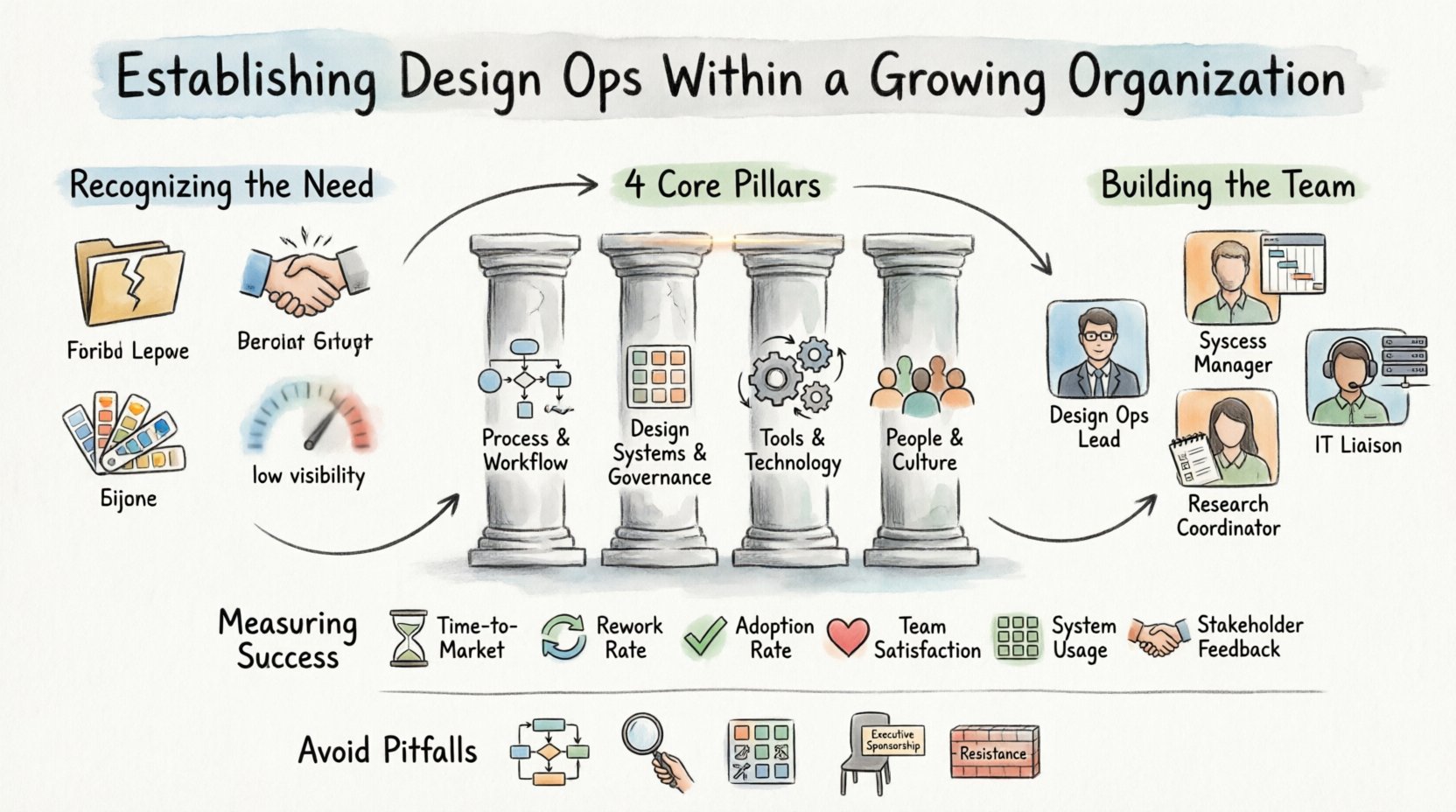
Recognizing the Need for Design Ops 🚨
Growth often brings chaos. When a design team doubles or triples in size, the ad-hoc methods that worked for a small group often break down. Without intentional operational support, bottlenecks emerge, quality suffers, and burnout becomes a risk. Recognizing these friction points early allows leadership to intervene before they become systemic issues.
Consider these common indicators that your organization requires a formalized Design Ops function:
- Fragmented Asset Management: Designers spend excessive time searching for files, style guides, or brand assets rather than creating value.
- Handoff Friction: Communication gaps between design and engineering teams lead to rework and implementation errors.
- Inconsistent Brand Experience: Different products or features lack visual and experiential consistency due to a lack of governance.
- Tool Sprawl: Multiple unconnected tools create silos where information gets trapped and teams struggle to collaborate.
- Limited Visibility: Stakeholders cannot easily understand what the design team is working on, the progress made, or the value delivered.
When these symptoms appear, it is time to transition from reactive management to proactive operations. Design Ops serves as the bridge between the creative vision and the operational reality.
The Core Pillars of Design Operations 🧱
Successful Design Ops rests on several foundational pillars. These areas require dedicated attention to ensure the design function remains agile and effective. Each pillar supports the others, creating a cohesive system.
1. Process & Workflow
Workflows define how design work moves from ideation to delivery. Clear processes reduce ambiguity and help designers understand their responsibilities. A well-defined workflow includes stages for research, concepting, iteration, review, and handoff. It also establishes checkpoints where feedback is gathered and decisions are made.
Key elements of process design include:
- Standardized Naming Conventions: Files and folders must follow a logical structure accessible to all team members.
- Review Cycles: Scheduled times for critique ensure quality control without interrupting deep work.
- Handoff Protocols: Clear guidelines on what information engineering teams need to build the product accurately.
- Documentation Practices: Recording decisions and rationale helps maintain context for future work.
2. Design Systems & Governance
Consistency is a hallmark of professional design. Design systems provide the rules and components that ensure products look and feel cohesive. Governance ensures these systems are maintained and evolved correctly.
Effective governance involves:
- Establishing who has the authority to update components.
- Defining how new components are proposed and tested.
- Ensuring accessibility standards are met across all updates.
- Creating feedback loops for users of the design system to report issues.
This structure prevents the design system from becoming outdated or fragmented as the organization grows.
3. Tools & Technology
While avoiding specific software mentions, the principle remains that technology must serve the workflow. The goal is to select and integrate platforms that facilitate collaboration and reduce manual effort. Integration between design, project management, and communication channels is vital.
Key considerations for technology stacks include:
- Interoperability: Can the tools share data seamlessly?
- Scalability: Will the tools support the team as it grows?
- Adoption: Are the tools intuitive enough that training time is minimized?
- Security: Does the technology protect intellectual property and user data?
4. People & Culture
Operations are ultimately about enabling people. A healthy culture encourages learning, sharing, and psychological safety. Design Ops should facilitate mentorship, career growth, and cross-functional collaboration.
Supporting people involves:
- Creating clear career paths for design roles.
- Facilitating knowledge sharing sessions and workshops.
- Ensuring workload distribution is fair and sustainable.
- Promoting a culture where feedback is constructive and welcomed.
Building the Design Ops Team 👥
Implementing these pillars requires the right talent. Design Ops is not a replacement for product design; it is a support function that allows designers to focus on their core responsibilities. The team structure will vary based on the size of the organization, but certain roles are commonly found in mature operations.
| Role | Primary Focus | Key Responsibilities |
|---|---|---|
| Design Ops Lead | Strategy & Alignment | Defines the operational vision, aligns with business goals, and manages the team. |
| Process Manager | Workflow Optimization | Maps workflows, removes bottlenecks, and ensures efficiency. |
| Systems Specialist | Design System Maintenance | Manages components, documentation, and governance of the design library. |
| Research Coordinator | Insight Management | Organizes research repositories, schedules studies, and manages participant pools. |
| IT Liaison | Tooling & Infrastructure | Handles technical setup, access permissions, and software integrations. |
For smaller teams, one person might wear multiple hats. As the organization expands, these roles can split into specialized positions. The critical factor is not the job title, but the function being covered.
Workflow & Governance Strategies ⚙️
Implementing operations requires more than just hiring people; it requires changing how work gets done. Governance should not be seen as a set of restrictions, but as guardrails that protect quality and brand integrity.
Developing Standard Operating Procedures
Standard Operating Procedures (SOPs) document the “how” of your design work. They reduce dependency on tribal knowledge and ensure that new hires can ramp up quickly. SOPs should cover:
- Onboarding: How new designers join the team, get access to tools, and understand the culture.
- Project Intake: How requests for design work are submitted, prioritized, and assigned.
- File Hygiene: Rules for saving, naming, and organizing digital assets.
- Publication: The steps required to launch a new feature or update existing content.
Establishing Feedback Loops
Continuous improvement relies on feedback. Operations teams should regularly gather input from designers, engineers, and stakeholders. This feedback informs updates to processes and tools.
Effective feedback mechanisms include:
- Regular retrospectives at the end of major projects.
- Surveys to measure satisfaction with tools and workflows.
- Office hours where operations staff are available for questions.
- Open channels for suggestions on process improvements.
Managing Change
Changing workflows can meet resistance. People prefer familiar routines. To manage change effectively, operations leaders must communicate the benefits clearly and involve the team in the design of new processes.
- Explain the Why: Show how the change improves their daily work.
- Provide Training: Offer resources to help people adapt to new methods.
- Start Small: Pilot new processes with a small group before rolling them out.
- Be Flexible: Allow for adjustments if a process is not working as intended.
Measuring Impact & Success 📊
To justify the investment in Design Ops, you need to measure its impact. Metrics should focus on efficiency, quality, and satisfaction rather than just output volume.
Key performance indicators (KPIs) for Design Ops include:
- Time to Market: How long it takes from concept to launch.
- Rework Rate: The percentage of work that requires significant changes due to errors or missing information.
- Tool Adoption: The percentage of the team actively using defined tools and systems.
- Employee Satisfaction: Feedback on workload, clarity of processes, and career growth.
- Design System Usage: How frequently design system components are used versus custom assets.
- Stakeholder Satisfaction: Feedback from product and engineering partners on the collaboration experience.
Tracking these metrics over time helps identify trends and areas for improvement. Regular reporting keeps stakeholders informed about the value the operations team brings.
Common Pitfalls to Avoid ⚠️
Building Design Ops is a journey with potential obstacles. Awareness of common mistakes can help you navigate them successfully.
1. Over-Engineering Processes
Creating too many rules can stifle creativity. Processes should be lean and adaptable. If a process takes more time to follow than the work itself, it needs to be simplified.
2. Ignoring the Human Element
Operations should support people, not control them. If designers feel micromanaged, morale will drop. Focus on enabling autonomy within a clear framework.
3. Focusing Only on Tools
Buying expensive software does not fix broken workflows. Tools are enablers, not solutions. Invest time in understanding the process before selecting the technology.
4. Lack of Executive Support
Design Ops requires resources and authority. Without backing from leadership, initiatives may stall. Secure buy-in by demonstrating how operations contribute to business goals.
5. Resistance to Change
Not everyone will embrace new methods immediately. Patience and clear communication are essential. Highlight quick wins to build momentum.
Looking Forward 🌱
The landscape of product development continues to evolve. Design teams must remain adaptable to new technologies and business models. A strong Design Ops foundation provides the stability needed to navigate these changes.
By focusing on clear processes, robust systems, and a supportive culture, organizations can scale their design capabilities without losing quality or speed. The ultimate aim is to create an environment where design is recognized as a strategic asset, integrated seamlessly into the product development lifecycle.
Start by assessing your current state. Identify the friction points and prioritize the areas that will yield the highest return on investment. Take incremental steps, gather feedback, and iterate on your operations just as you would with a product. This continuous improvement mindset ensures that your design function remains resilient and ready for the future.